Dear Gigante: I Love Your Knits, but I’m Vegan
 By Fernando Santos
“Dear Gigante, I love your designs, but I’m vegan. Is there any way I could wear one of your cardigans? And how are the sheep that grow your wool actually treated?”
Thank you for asking, and for asking kindly. I’ll answer straight, even where the answer isn’t the one you hoped for.
The honest bit first: wool isn’t vegan
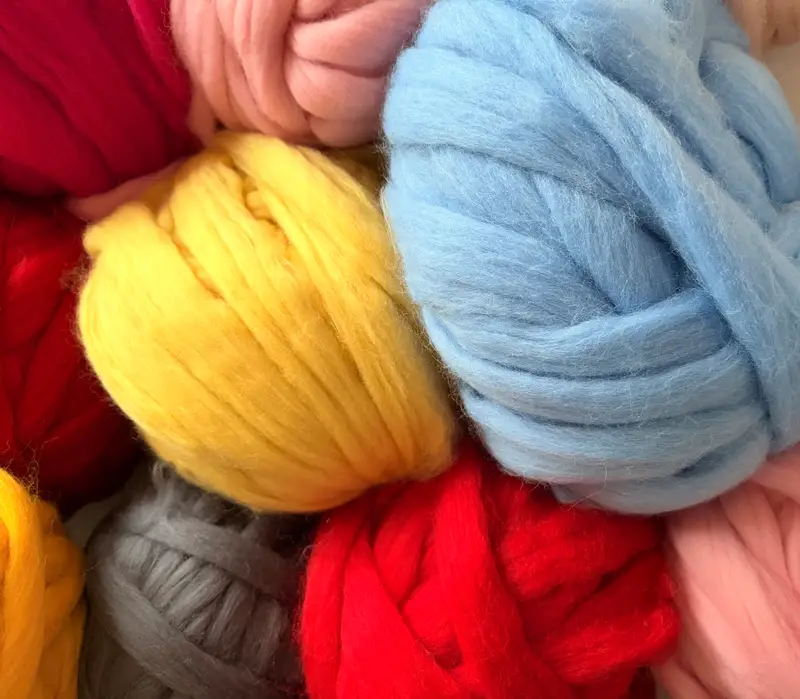
Every Gigante cardigan is knitted in 100% wool, and wool comes from sheep. However well those sheep are treated, it isn’t a vegan fibre, and I won’t dress it up as one. If that’s where you draw your line, I completely respect it. A good acrylic is a perfectly honest choice. I’ve written about that before (Dear Gigante: Why Not Just Use Acrylic?), and our patterns work with any super chunky yarn.
But you also asked about the sheep, and that deserves a proper answer
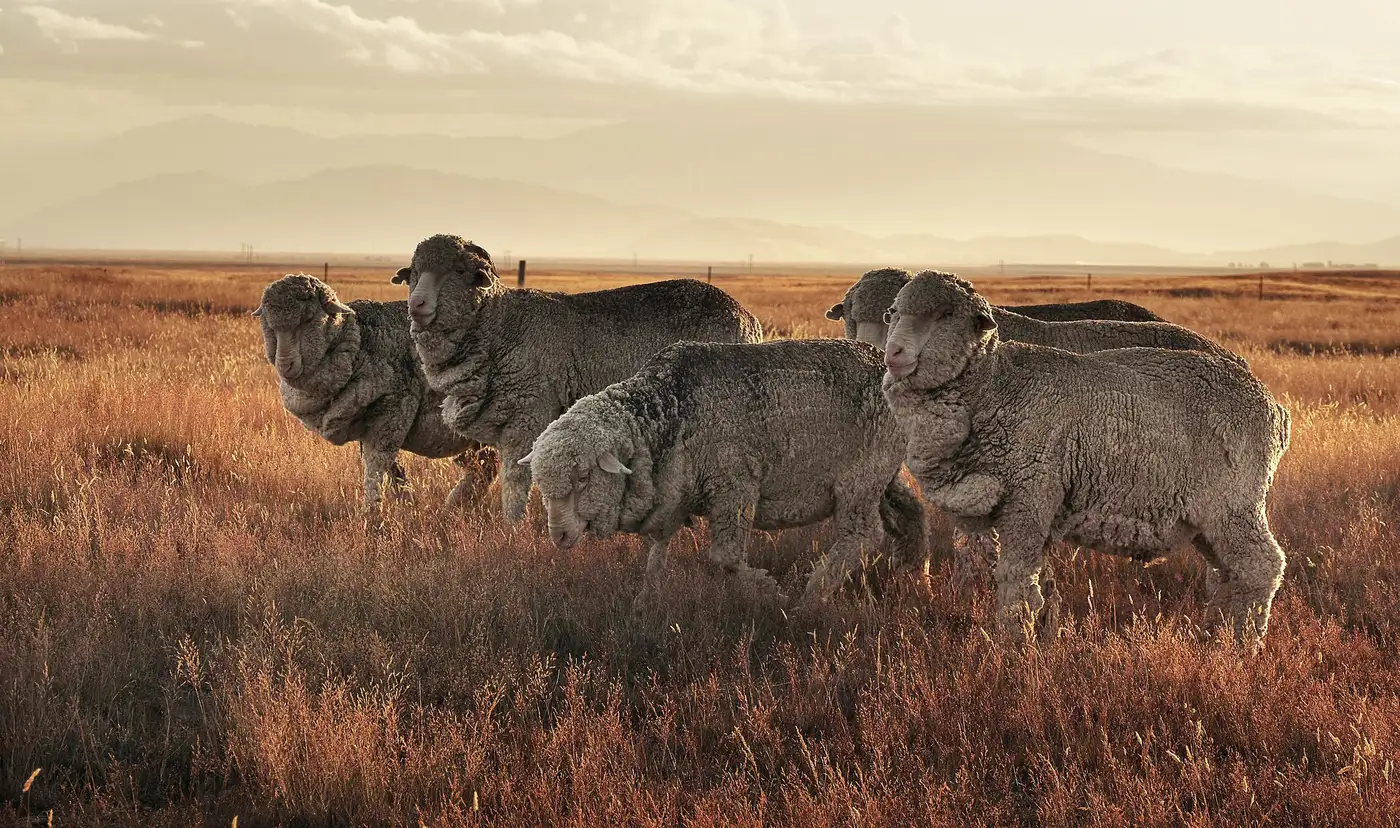
We use two wools. Corriedale is in all our solid shades: a big, sturdy breed from New Zealand, bred in the late 1800s by crossing merino with longwool sheep. Merino is in our softer multi-tonal blends, like Wisteria and Poison Ivy.
Merino is where the welfare question matters. Over centuries merino sheep were bred to grow as much wool as possible, and one way breeders did that was more skin: deep folds and wrinkles, especially round the neck and the back end. Those folds trap moisture and attract flies. Flies lay eggs there, and the maggots feed on the sheep. It’s called flystrike, and it’s horrible.
Some farms prevent it with mulesing: cutting away skin around the sheep’s rear so it scars over smooth. It’s usually done to lambs without pain relief. It’s banned in New Zealand, and still practised elsewhere.
Our line: no mulesing
Our merino comes through suppliers with roots in South America and South Africa, who buy it from farms certified to the Responsible Wool Standard (RWS), an independent standard that bans mulesing outright. Farms sign up by choice. We don’t buy from the farms ourselves, so that certification is what we rely on.
Corriedale has a smooth body without those deep folds, so it isn’t normally mulesed at all. Ours comes from New Zealand, where mulesing is banned.
Both wools are dyed in the UK and certified to Oeko-Tex Standard 100 (tested for harmful substances). Then every strand is split and hand-prepped by us in Worthing.
What I can’t promise
RWS certifies farms, and wool from many farms gets blended along the way. No standard can vouch for every single fibre. What I can promise is that we chose a supplier whose merino comes only from farms that have committed not to mules, and that we keep asking.
If you buy wool anywhere, ask two things
- “Is your merino mulesing-free?”
- “Is it from RWS-certified farms?”
A good seller answers straight away. If they don’t know, that’s an answer too.
So, to your question: no, I can’t make our wool vegan. But I hope you’ll knit one of our designs in a yarn that sits right with you, and I’d love to see it if you do.
Keep reading
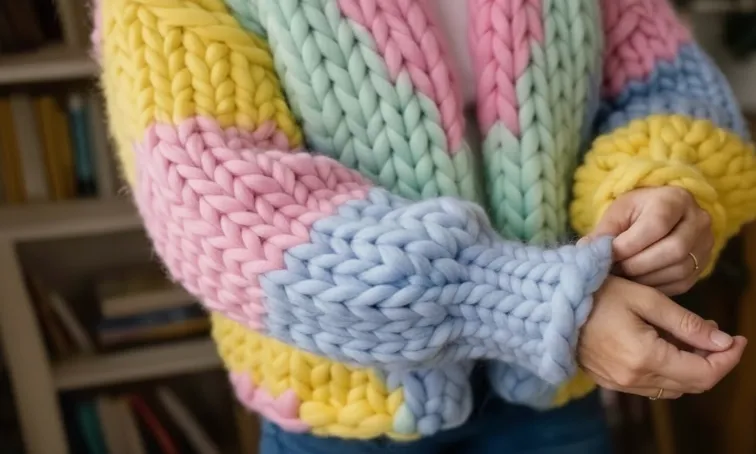
Dear Gigante: Why Not Just Use Acrylic?
An honest answer that gives acrylic its due, and what natural wool pays back over the years.
Read it next →